
Theranostics in paediatric oncology is a pioneering clinical advance in Spain and Europe, where very few centres offer this therapeutic option. This precision therapy makes it possible to tackle some of the most common paediatric tumours —neuroblastoma, medulloblastoma and thyroid cancer— with maximum efficacy on tumour cells and minimal impact on healthy tissue.
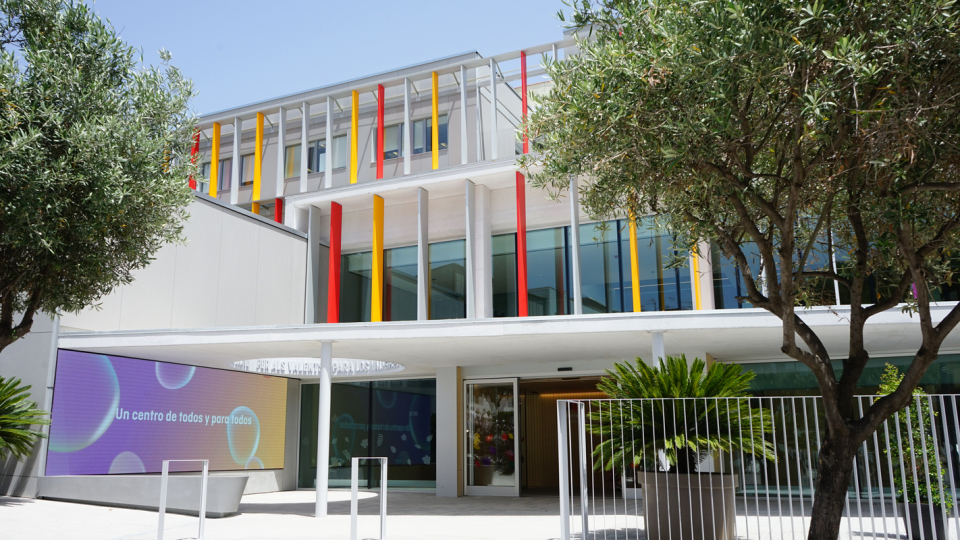
Hospital Sant Joan de Déu applies this technique as a day-hospital procedure at the ATRYS-HEALTH SJD Centre, in sea-view rooms where families can accompany their children, allowing them to return home the same day.
ATRYS HEALTH, a medical company specialising in telediagnosis, oncology, pathology and nuclear medicine healthcare services, and the Pediatric Cancer Center Barcelona (PCCB) of Hospital Sant Joan de Déu are expanding their capacity to apply theranostics after receiving authorisation to open two new dedicated rooms for this pioneering therapy against childhood cancer at the ATRYS-HEALTH SJD Centre.
This step represents a significant clinical advance in Spain and Europe, where very few hospitals yet offer this therapeutic option.
Theranostics is an innovative precision medicine technique that combines diagnosis and treatment in a single strategy, using the same molecule to detect the tumour and deliver selectively targeted therapy.
This approach makes it possible to act exclusively on tumour cells without damaging healthy tissue, a crucial advantage in paediatric oncology, reducing the long-term adverse effects of conventional treatments.
This therapeutic modality is particularly effective against some of the paediatric tumours with the highest incidence: neuroblastoma, the most common extracranial solid tumour in childhood, with around 100 new cases a year in Spain; medulloblastoma, one of the most common aggressive tumours of the central nervous system in children; and childhood thyroid cancer, whose incidence has increased in recent decades.
“The authorisation to apply theranostics in paediatric patients is a milestone for ATRYS. It is a technique that is still very rarely implemented in Europe, and it places us at the forefront of precision medicine. Its value lies in maximising therapeutic efficacy while being as gentle as possible on children,” says Isabel Roca, Director of Nuclear Medicine at ATRYS and head of the ATRYS-HEALTH SJD Centre at Hospital Sant Joan de Déu.
Facilities and patient experience
To make this new treatment pathway possible, Hospital Sant Joan de Déu has two dedicated rooms for the administration of theranostics, as well as a Nuclear Medicine service equipped with state-of-the-art technology (1 PET-CT and 2 SPECT-CT).
Treatment is delivered on a day-hospital basis, in comfortable sea-view rooms, allowing the child to be accompanied by their family throughout the six to eight hours of the procedure and to return home the same day.
Research becoming clinical reality
ATRYS and the PCCB of Hospital Sant Joan de Déu have been collaborating for years on international clinical trials in both paediatric oncological diagnosis and paediatric theranostics, a line of research that is now taking a decisive step towards real clinical application in Spain.
This advance places the centre among the European benchmarks in paediatric precision medicine and brings new hope to children with cancer and their families.